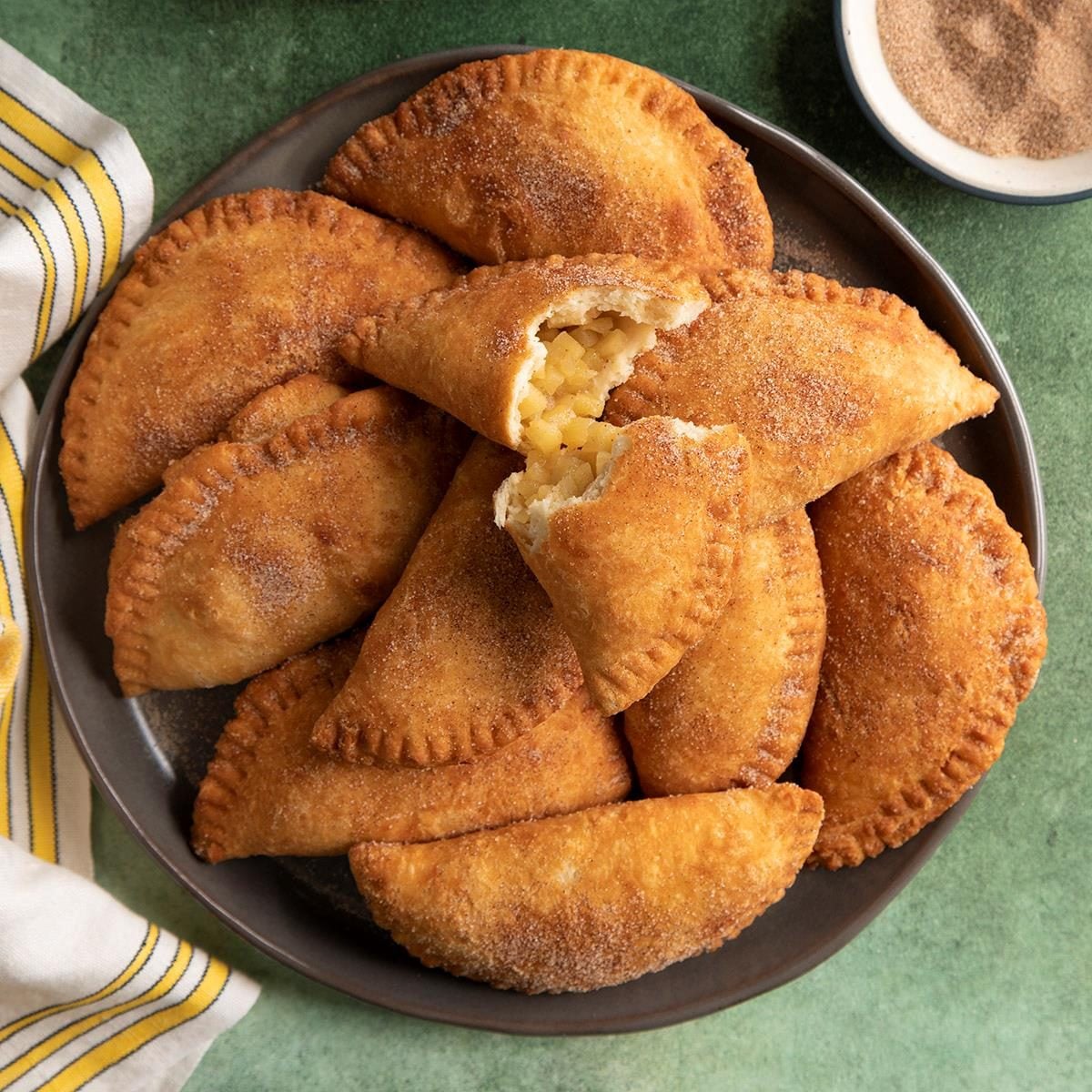
Portable Perfection: Why Fried Apple Pies Belong at Every Picnic & Breakfast
Imagine a culinary delight that marries the comforting warmth of a classic apple pie with the delightful convenience of a hand-held treat. That, my friends, is the magic of fried apple pies. These golden-brown pockets of joy, bursting with sweet, spiced apple filling, are more than just a dessert; they are a versatile marvel perfect for any occasion. From bustling breakfast tables to serene picnic blankets, the humble fried apple pie consistently delivers a bite of pure happiness. Forget the forks and plates; these beauties are designed for on-the-go enjoyment, making them an indispensable addition to your culinary repertoire.
The Allure of the Hand-Held Treat: Why Fried Apple Pies Reign Supreme
What makes fried apple pies so irresistibly appealing? It boils down to their ingenious design and undeniable deliciousness. Unlike their traditional, full-sized counterparts, fried apple pies are the epitome of portability. Each pie is a self-contained unit, perfectly portioned for individual enjoyment. This makes them an absolute dream for events where convenience is key.
- Picnics & Potlucks: No need for cumbersome serving utensils or worry about messy slices. Fried apple pies can be packed with ease, shared effortlessly, and enjoyed outdoors without a fuss. Their sturdy, fried exterior protects the tender filling, ensuring they travel well.
- Breakfast on the Go: Who says pie isn't for breakfast? A warm, sweet fried apple pie offers a delightful start to your day, providing a quick energy boost and a taste of comfort before you even leave the house. Pair it with a cup of coffee or tea, and you have a gourmet breakfast that fits in your hand.
- Anytime Snack: Whether you're craving a midday treat or a late-night indulgence, these hand pies are always a welcome sight. Their size makes them satisfying without being overly heavy, hitting that sweet spot between a snack and a substantial dessert.
The golden-brown crust, often dusted with powdered sugar or cinnamon sugar, hints at the sweet, fruity treasure within. This unique combination of texture and taste, coupled with their sheer practicality, solidifies fried apple pies as a beloved staple across various culinary landscapes.
Crafting Perfection: A Deep Dive into the Fried Apple Pie Process
Creating the perfect fried apple pie is a gratifying process that, while requiring a few steps, is well within the reach of any home baker. The magic lies in a well-balanced filling, the right dough, and a perfectly executed fry. Let's break down the essential components.
The Heart of the Pie: A Delectable Apple Filling
The filling is undoubtedly the soul of your fried apple pie. It needs to be flavourful, tender, and not overly wet to prevent a soggy pie. Here’s how to achieve perfection:
- Sautéing the Apples: Start by melting a generous knob of butter in a large sauté pan. Add thinly sliced or diced apples – sturdy varieties like Granny Smith, Honeycrisp, or Fuji work wonderfully, holding their shape while softening. Incorporate sugar (adjusting to the sweetness of your apples), a generous dash of cinnamon, and a splash of fresh lemon juice. The lemon juice is crucial; it brightens the flavour and prevents the apples from browning excessively.
- Cooking to Tenderness: Cook the mixture over medium heat, stirring occasionally, until the apples are soft but not mushy, typically around 15 minutes. This precooking step ensures the apples are perfectly tender once the pie is fried.
- Cooling is Key: Once cooked, remove the filling from the heat and allow it to cool completely. This step is vital! Hot filling can melt your dough, making it difficult to seal and prone to bursting during frying. A cool filling also prevents steam buildup, which can lead to a less crispy crust.
Dough Decisions: From Biscuit to Flaky Perfection
The choice of dough significantly impacts the final texture and character of your fried apple pies. Both approaches yield delicious results, each with its unique charm.
- Biscuit Dough: For a quick and convenient option, pre-made biscuit dough is a fantastic choice. Each biscuit can be rolled out on a lightly floured surface to form a 7 to 8-inch circle. This dough results in a softer, slightly thicker crust that fries up beautifully golden. It’s a classic method often found in Southern-style fried pies.
- Flaky Pie Dough: For a more traditional, bakery-style experience, many recipes call for a scratch-made flaky pie dough. This dough, similar to what you’d use for a traditional pie, is designed to withstand the hot oil, puffing up to create delicate, crispy layers. This is often the type of dough used in Amish fry pies, giving them their characteristic light and airy texture.
Once your dough circles are ready, place 2 to 3 tablespoons of the cooled filling on one half of each circle. Brush the edges with a little water – this acts as glue. Fold the dough over the filling to create a perfect half-moon shape. Seal the edges by pressing firmly with the tines of a fork, creating a decorative and functional crimp that prevents leakage during frying.
The Frying Finale: Achieving Golden-Brown Bliss
Frying might seem intimidating, but with the right technique, it’s a straightforward path to perfection.
- Oil Preparation: Preheat your deep-fryer or a heavy-bottomed pot with at least 3-4 inches of neutral oil (vegetable, canola, or peanut oil are excellent choices) to 350°F (175°C). Maintaining this temperature is critical for even cooking and a non-greasy pie.
- Careful Frying: Gently add the pies to the hot oil, one or two at a time, depending on the size of your pot, ensuring not to overcrowd. Overcrowding will drop the oil temperature and result in greasy pies. Fry for approximately 5 to 8 minutes, turning the pies as necessary to ensure even browning on both sides. They should emerge a beautiful deep golden brown.
- Draining & Finishing: Carefully remove the pies from the oil and immediately place them on a wire rack set over paper towels to drain excess oil. While still warm, sprinkle generously with powdered sugar or a mixture of cinnamon sugar. This ensures the topping adheres beautifully and adds an extra layer of sweetness and texture. Some prefer a simple glaze made from powdered sugar and milk/water for a shiny finish.
Beyond the Basics: Serving Suggestions & Creative Twists
While classic fried apple pies are a masterpiece on their own, there are myriad ways to enjoy them and even experiment with their flavours.
- Pairings: For breakfast, a fried apple pie is superb with a hot cup of coffee, a glass of milk, or a side of yogurt. As a dessert, consider serving them alongside a scoop of vanilla bean ice cream or a dollop of fresh whipped cream for an indulgent experience. A light drizzle of caramel sauce or a sprinkle of toasted pecans can also elevate the flavour profile.
- Spice Variations: Don't limit yourself to just cinnamon. A pinch of nutmeg, allspice, or even a touch of cardamom can add depth and complexity to your apple filling. A tiny bit of ginger can also provide a delightful warmth.
- Miniature Pies: For bite-sized treats, cut smaller dough circles. These are perfect for party platters or when you want just a tiny taste of sweetness.
- Non-Apple Fillings: While apple is classic, the concept of a fried hand pie is incredibly versatile. Explore fillings like spiced peaches, berries, cherry, or even savory options like sweet potato or seasoned ground meat for a different take.
Remember that the key to a truly outstanding fried apple pie lies in fresh ingredients and a little bit of love. Don't be afraid to experiment and make the recipe your own!
A Culinary Heritage: Tracing the Roots of Fried Apple Pies
The fried apple pie is not just a delicious dessert; it's a culinary artifact with a rich history, reflecting various regional traditions. These delightful hand-held treats boast roots in several cultural contexts, each contributing to the beloved form we know today.
One prominent lineage traces back to Amish fry pies. Found in bakeries and roadside stands throughout Amish Country, these delectable creations are renowned for their delicate, flaky dough that encases a sweet, fruit-filled core. They are a testament to the Amish commitment to simple, wholesome ingredients and practical, portable foods for farm work and communal gatherings.
In the Southern United States, Southern fried pies hold a cherished place. Often made with a biscuit-like dough, these pies were historically a staple, offering a convenient way to enjoy fruit pies without the need for an oven, especially in rural areas. They provided a quick energy source for those working in fields or traveling, cementing their status as a comforting, accessible treat.
Furthermore, fried apple pies share a kinship with broader categories like apple turnovers, which are typically made with puff pastry and baked, and other regional hand pies from around the world. What distinguishes the fried apple pie, particularly the Amish and Southern varieties, is the direct immersion in hot oil, which creates its characteristic golden-brown, crispy exterior that simply cannot be replicated by baking alone. This method of preparation results in a unique texture and flavor profile that sets them apart, making them a unique and enduring part of culinary tradition.
From their humble beginnings as a practical, portable meal to their current status as a cherished comfort food, fried apple pies have proven their timeless appeal. They encapsulate convenience, flavour, and a touch of nostalgic charm, making them a truly portable perfection that brightens any meal, any time.
